

e_coating_banner

E-Coating Service for CNC Machined Parts

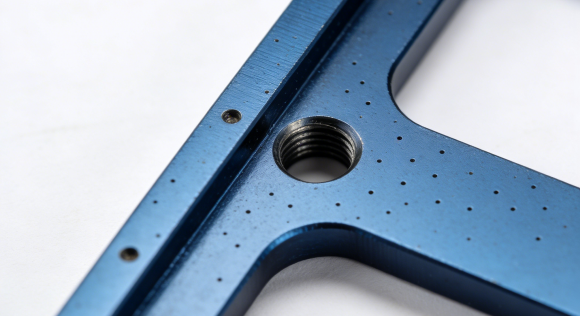
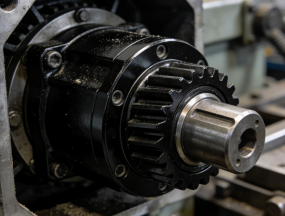
E-Coating provides excellent corrosion resistance, uniform coating coverage, and strong adhesion for CNC machined metal parts.

What is E-Coating?

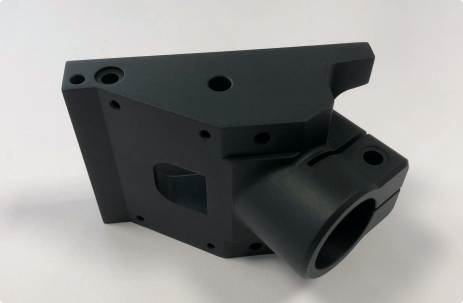
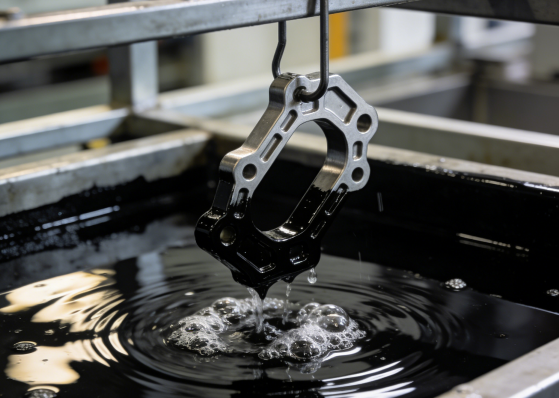
E-Coating (Electrophoretic Coating) is a highly controlled finishing method that uses electrical current to deposit a thin, uniform, corrosion-resistant coating onto conductive metal parts. The process ensures excellent coverage even on complex geometries, deep cavities, and hard-to-reach areas.

Types of E-Coating We Offer
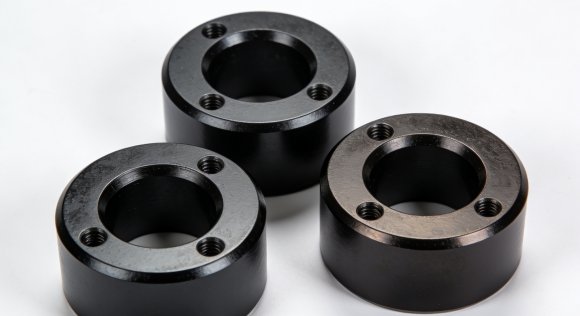
Cathodic E-Coating

Best corrosion resistance and durability. Ideal for automotive, aerospace, and industrial components.

Anodic E-Coating

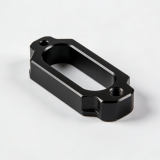
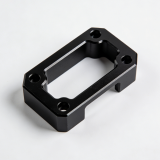
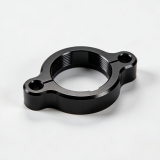
Cost-effective option for decorative or lightly protective applications.

cathodic_e_coat_part e_coat_industrial_component e_coat_metal_part
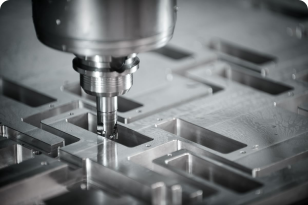
CNC Milling

CNC Milling

Utilizes rotating cutting tools for high-precision machining of flat surfaces, curves, and complex parts, ideal for mold making, aerospace, and automotive industries.

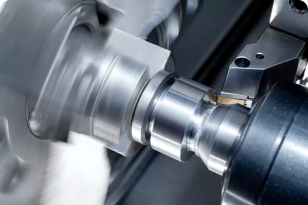
CNC Turning

CNC Turning

Uses rotating workpieces and cutting tools for efficient machining of cylindrical components, widely applied in shafts, discs, and precision parts manufacturing.

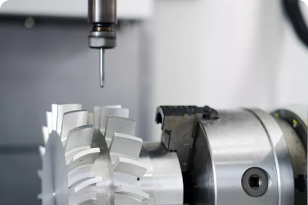
5 Axis Machining

5 Axis Machining

Enables multi-angle precision cutting, reducing setups and machining complex surfaces, perfect for high-end aerospace, medical devices, and precision mold manufacturing.

e_coating_dipping_operation

Technical Advantages of E-Coating

Excellent Corrosion Resistance

Dense, pinhole-free coating protects metal from rust and chemical exposure.

Uniform Coating Coverage

Ensures full coverage on edges, corners, cavities, and threads.

Strong Adhesion

Provides an excellent bonding layer for paint, powder coating, or other finishes.

Thin Controlled Film

Typical thickness 10–35 μm without affecting tight tolerances.

Eco-Friendly Process

Water-based coating, low VOC emissions.
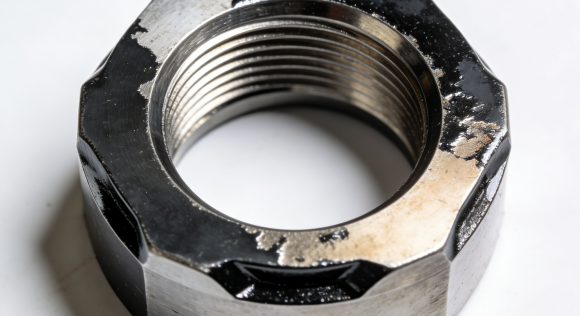
Common E-Coating Defects

e_coat_uneven_thickness

Uneven Coating Thickness

Cause:Caused by improper voltage, insufficient cleaning, or uneven current distribution.

e_coat_pinholes

Pinholes

Cause:Appears when surface contamination or trapped air prevents uniform deposition.

e_coat_rough_surface

Rough Surface

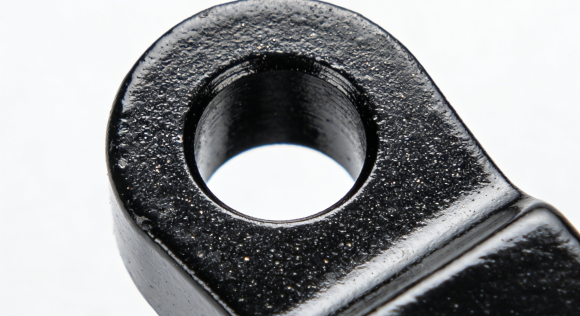
Cause:Often caused by particles in the bath or improper pre-treatment.

e_coat_color_variation

Color Variation

Cause:Uneven curing or mixing of coating solution.

Powder Coating Process Flow

01
Pretreatment – Degreasing & Cleaning
Removes machining oils, fingerprints, coolant residues, and contaminants to ensure excellent coating adhesion.
Typical Parameters: Alkaline or neutral degreasing at 45–70°C for 3–10 min; multi-stage DI water rinse.
Standards: In-house ECO-SOP-01;
e_coat_pretreat_icon
02
Surface Preparation – Acid Pickling / Phosphating
Improves adhesion, enhances corrosion resistance, and prepares the metal surface for uniform deposition.
Typical Parameters: Acid pickling 1–5 min; iron/zinc phosphating depending on material.
Standards: In-house ECO-SOP-02;
e_coat_surface_prep_icon
03
Rinsing (Multi-stage)
Removes chemical residues after pre-treatment to avoid defects in the coating.
Typical Parameters: 3–5 stages of DI water rinse.
Standards: In-house ECO-SOP-03;
e_coat_rinse_icon
04
Ultrafiltration Rinse (UF Rinse)
Ensures consistent coating thickness and improves surface smoothness; recovers excess paint.
Typical Parameters: UF membrane filtration circulation.
Standards: In-house ECO-SOP-04;
e_coat_uf_rinse_icon
05
E-Coating Deposition
Using electrical current, coating particles are deposited evenly onto the grounded metal surface—even on complex geometries.
Typical Parameters: Voltage: 150–350 V (depending on cathodic/anodic type);
Deposition time: 90–240 sec.
Standards: In-house ECO-SOP-05;
e_coat_deposit_icon
06
Curing
Coating is thermally crosslinked to form a hard, durable, corrosion-resistant finish.
Tools: 160–200°C for 15–30 min.
Standards: In-house ECO-SOP-06;
e_coat_cure_icon
07
Cooling & Inspection
After cooling, coating is inspected for color, gloss, thickness, adhesion, and surface defects.
Tools: Coating thickness gauge, adhesion tester, inspection lights.
Standards: In-house ECO-SOP-07;
e_coat_cool_inspect_icon

Applications & Industries

e_coat_auto_part
Automotive Components

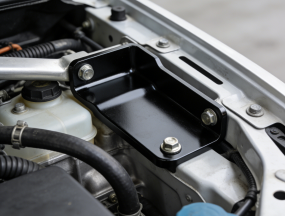
Ideal for brackets, housings, frames, and under-hood parts.

e_coat_industrial_machinery
Industrial Machinery

Provides long-term corrosion protection in harsh environments.

e_coat_medical_part
Medical Equipment

Clean and uniform coatings, suitable for precision components.

e_coat_bicycle_part
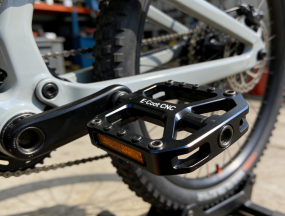
Bicycle Components

Enhances weather resistance and durability.

Design & Quoting Guidelines

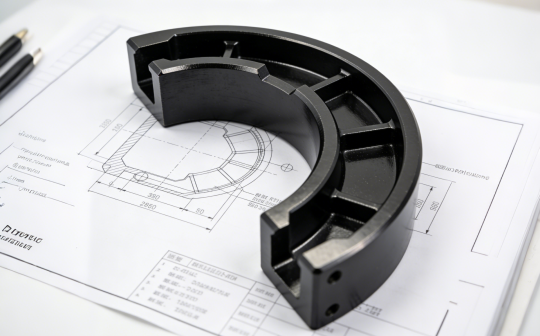
e_coat_part_drawing
Material Suitability

Compatible with aluminum, steel, and stainless steel after proper pretreatment (phosphating / degreasing).

Surface Roughness

E-coating produces a thin, uniform film that does not hide machining marks; surface finish before coating will remain visible.

Masking Areas

Specify all areas that must remain uncoated, including threaded holes, grounding points, tight-tolerance surfaces, and press-fit features.

Dimensional Sensitivity

Coating thickness typically 15–35 μm; minimal impact on tolerances compared with powder coating.

Technical Specifications

Typical e-coating parameters for CNC-machined metal parts

Parameter Typical Range Description
Coating Type Cathodic (most common) / Anodic Cathodic E-coat offers superior corrosion resistance.
Coating Thickness 15 – 35 μm Thin, uniform film for precision parts.
Curing Temperature 160°C – 190°C Required heat to crosslink the coating.
Curing Time 15 – 25 minutes Ensures hardness, adhesion, and corrosion protection.
Surface Roughness Before Coating Ra 1.6 – 3.2 μm Optimizes mechanical bonding.
Pre-Treatment Requirements Degreasing, rinsing, phosphating Critical for uniform film and adhesion.
Adhesion Grade ASTM D3359: 4B – 5B High adhesion for industrial applications.
Salt Spray Resistance 500 – 1,500 hours Depends on coating type and pretreatment.
Color & Gloss Mostly black, gloss 10–70 Suitable for industrial and decorative use.
Hardness 2H – 3H Typical crosslinked coating hardness.
Tips:

E-coat is ideal for corrosion-resistant functional parts such as automotive brackets, bicycle components, medical housings, and industrial hardware.
For parts requiring both protection and decorative finish, E-coat can be used as a primer before powder coating.

Request a Technical Evaluation

Send us your part files or design drawings. Our surface finishing experts will evaluate the part geometry, surface requirements, and production volume and recommend the ideal machining process for your CNC machined parts.

To learn more about our capabilities
Contact Us Today
Ready to Get started?
Request a quote today