passivation_banner

Passivation Surface Finishing Service

Improve corrosion resistance and surface cleanliness of your stainless-steel parts with professional passivation service. Compliant with ASTM, AMS, and ISO standards.

What Is Passivation?

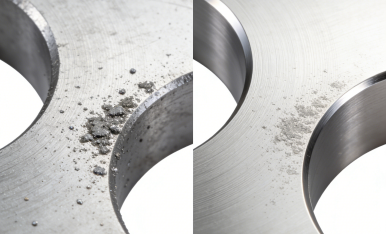
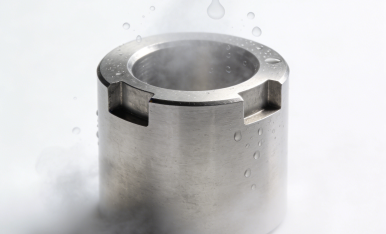
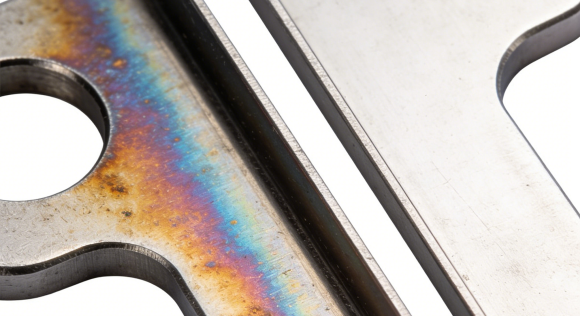
Passivation is a chemical treatment that removes free iron and surface contaminants from stainless steel, restoring the metal's chromium-rich passive layer. This invisible oxide film significantly enhances corrosion resistance without altering dimensions, appearance, or mechanical properties.

Passivation Processes

We provide two types of passivation based on customer requirements and industry standards:

① Nitric Acid Passivation
  • Strong oxidizing ability
  • Fast reaction
  • Ideal for aerospace-grade stainless steel
  • Suitable for 300 and 400 series stainless steel
  • ② Citric Acid Passivation
  • Environmentally friendly and safer
  • No toxic fumes
  • Suitable for medical, food-grade, and electronics parts
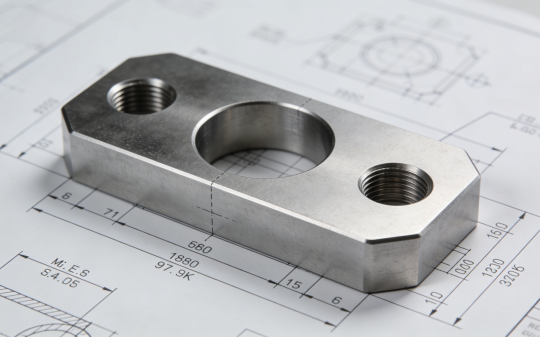
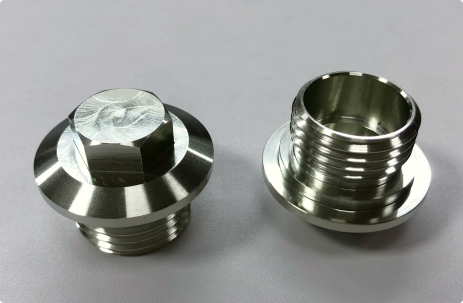
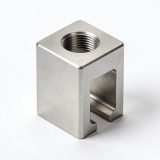
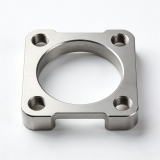
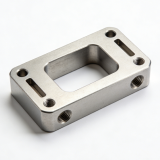
  • passivated_metal_block passivated_steel_flange passivated_stainless_steel_part
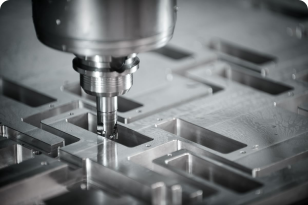
    CNC Milling

    CNC Milling

    Utilizes rotating cutting tools for high-precision machining of flat surfaces, curves, and complex parts, ideal for mold making, aerospace, and automotive industries.

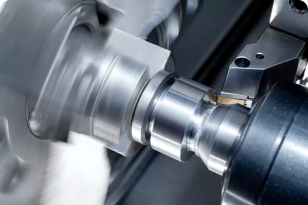
    CNC Turning

    CNC Turning

    Uses rotating workpieces and cutting tools for efficient machining of cylindrical components, widely applied in shafts, discs, and precision parts manufacturing.

    5 Axis Machining

    5 Axis Machining

    Enables multi-angle precision cutting, reducing setups and machining complex surfaces, perfect for high-end aerospace, medical devices, and precision mold manufacturing.

    ss_passivation_comparison

    Why Do Stainless Steel Parts Need Passivation?

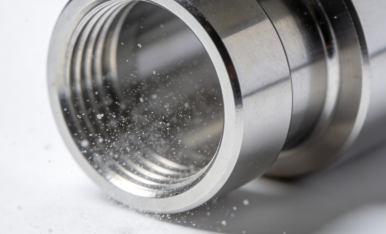
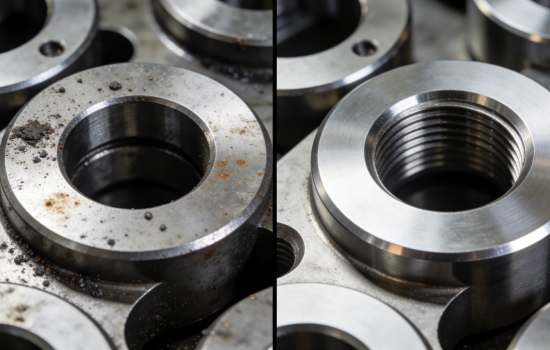
    During machining, handling, and storage, stainless-steel surfaces may be exposed to iron, carbon steel particles, cutting fluids, or environmental contaminants. These impurities weaken the natural oxide layer and may lead to:

  • Surface rust
  • Reduced corrosion resistance
  • Discoloration
  • Poor performance in harsh environments
  • Passivation removes these contaminants and rebuilds the protective layer, ensuring long-term stability.

    Benefits of Passivation

    passivation_corrosion_resist
    Greatly improves corrosion resistance

    Passivation forms a stable oxide layer that prevents free iron from reacting with moisture.

    passivation_no_dim_change
    No dimensional changes

    The chemical reaction only affects the surface and does not add or remove material.

    passivation_remove_contamination
    Removes machining contamination

    It dissolves oils, metal particles, and carbon steel residue from machining.

    passivation_long_term_stability
    Ensures long-term stability

    The passive film offers lasting protection in humid, chemical, or salt-rich environments.

    passivation_cleanliness
    Enhances cleanliness

    It removes microscopic contaminants to meet medical and aerospace standards.

    passivation_cost_effective
    Cost-effective

    Provides corrosion protection without needing coatings or plating.

    Applicable Materials

    Passivation is designed specifically for stainless steels.

    Materials Suitable for Passivation
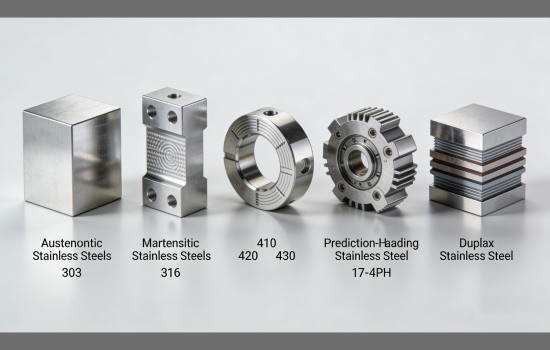
    Austenitic Stainless Steel
  • 303
  • 304 / 304L
  • 316 / 316L
  • Most common stainless steels used in machining; passivation enhances corrosion resistance and cleanliness.

    Duplex Stainless Steel

    High strength and corrosion resistance; passivation helps stabilize the protective film after machining.

    Precipitation-Hardening Stainless Steel
  • 17-4PH
  • Common in aerospace and medical applications; passivation improves performance in harsh environments.

    Martensitic Stainless Steel
  • 410 / 420 / 430
  • Often used for knives, tools, and high-strength components; passivation removes iron residue and prevents rust.

    ss_varieties_components
    Materials NOT Suitable for Passivation
    Material Reason
    Aluminum Requires anodizing to build a protective oxide layer
    Carbon steel Does not form a passive film like stainless steel
    Brass / Copper Different chemical reactions that cannot form passivation
    Titanium Naturally forms a strong oxide film, passivation unnecessary

    These materials require different surface treatments such as anodizing, plating, or chemical conversion coatings.

    REKO Standard Passivation Process Flow

    Passivation uses nitric acid or citric acid to remove free iron and create a chromium-rich oxide layer. This passive layer improves corrosion resistance and restores stainless steel to its optimal condition.

    01
    Pre-Cleaning & Degreasing
    Removing oils, fingerprints, and machining residues to ensure the stainless-steel surface is fully prepared for chemical treatment.
    Notes: Ensures uniform reaction during passivation.
    Standards: In-house PAS-SOP-01;
    passivation_pre_clean_icon
    02
    Contaminant & Residue Removal
    Eliminating embedded iron, metal particles, and surface contaminants left from machining or handling.
    Notes: Prevents rust caused by carbon steel contamination.
    Standards: In-house PAS-SOP-02;
    passivation_contaminant_remove_icon
    03
    Acid Passivation Treatment
    Immersing the parts in nitric or citric acid to dissolve free iron and reform the chromium-rich passive layer.
    Notes: Restores optimal corrosion resistance.
    Standards: In-house PAS-SOP-03;
    passivation_acid_treatment_icon
    04
    Rinsing & Neutralization
    Thorough rinsing to remove acid residues followed by neutralization to stabilize the surface.
    Notes: Prevents acid stains and ensures safety for final use.
    Standards: In-house PAS-SOP-04;
    passivation_rinsing_icon
    05
    Drying
    Controlled drying to eliminate moisture and avoid water spots or oxidation marks.
    Notes: Ensures a clean, residue-free surface.
    Standards: In-house PAS-SOP-05;
    passivation_drying_icon
    06
    Corrosion Resistance Testing (Optional)
    Performing salt-spray or chemical immersion tests based on customer or industry requirements.
    Notes: Verifies durability in harsh environments.
    Standards: In-house PAS-SOP-06;
    passivation_corrosion_test_icon
    07
    Final Inspection & Packaging
    Inspecting the surface quality, cleanliness, and passivation consistency before secure packaging.
    Notes: Ensures product stability during transportation.
    Standards: In-house PAS-SOP-07;
    passivation_final_inspect_icon

    Common Passivation Defects & Prevention

    Typical passivation issues and how to avoid them.

    passivation_free_iron_defect

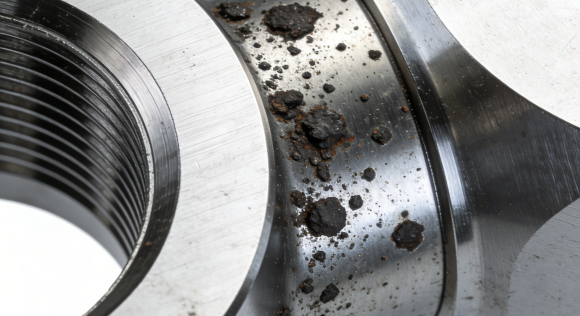
    Incomplete Removal of Free Iron

    Cause:Residual machining debris, embedded iron particles, or insufficient cleaning before passivation.

    Impact / Prevention:

  • Ensure thorough degreasing and alkaline cleaning before acid passivation
  • Avoid steel-to-steel contact during machining and handling
  • Use fresh passivation solution and follow proper immersion time
  • Rinse with deionized water to eliminate surface residue
  • passivation_rust_spots

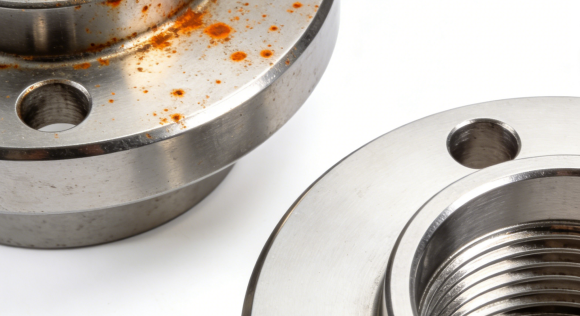
    Flash Corrosion / Rust Spots

    Cause:Improper rinsing, low-grade water, or contamination inside the passivation bath.

    Impact / Prevention:

  • Use high-purity DI water for final rinsing
  • Maintain acid concentration and pH within recommended range
  • Replace contaminated tanks promptly
  • Dry parts quickly to avoid moisture stains
  • passivation_surface_etching

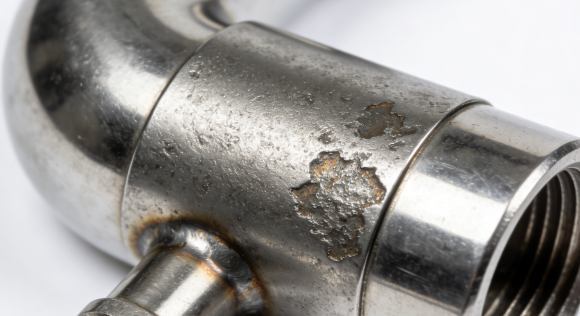
    Over-Passivation (Surface Etching)

    Cause:Excessive immersion time or overly strong acid concentration.

    Impact / Prevention:

  • Follow controlled immersion time based on stainless steel grade
  • Standardize solution concentration and temperature
  • Monitor bath condition regularly
  • Avoid mixing different alloy grades in the same batch
  • passivation_rainbow_discolor

    Chemical Stains / Rainbow Discoloration

    Cause:Residual acid left on the surface or uneven neutralization.

    Impact / Prevention:

  • Ensure complete rinsing after passivation
  • Add a neutralization step if needed for complex geometries
  • Improve part orientation to avoid pooling of liquids
  • Use forced-air drying to prevent water marks
  • Applications & Industries

    passivation_aerospace_part
    Aerospace Components

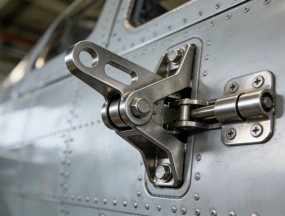
    Ensures long-term corrosion resistance for brackets, hinges, actuators, and structural stainless parts exposed to harsh environments.

    passivation_medical_tool
    Medical Instruments

    Provides ultra-clean, contamination-free surfaces ideal for surgical tools, implants, and stainless housings.

    passivation_industrial_machinery
    Precision Industrial Machinery

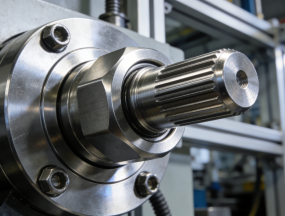
    Protects shafts, fittings, housings, and fasteners used in automated machinery from rust and chemical degradation.

    passivation_automotive_part
    Automotive Components

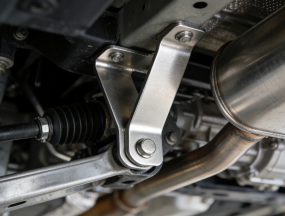
    Improves durability of exhaust components, connectors, decorative metal trims, and high-wear stainless parts.

    passivation_part_drawing

    Design & Manufacturing Tips

    To ensure the best passivation results:
  • Avoid carbon steel contamination during machining
  • Wear gloves during handling
  • Remove burrs before passivation
  • Deep scratches cannot be fixed by passivation
  • Specify if you require ASTM A967, A380, or AMS 2700 certification
  • Technical Specifications

    Typical passivation parameters for stainless-steel CNC machined parts.

    Parameter Typical Range Description
    Acid Type Nitric / Citric Defines corrosion resistance level and surface cleanliness
    Acid Concentration 4% – 25% (based on type) Higher concentration improves oxide formation efficiency
    Temperature 20°C – 60°C Higher temperature accelerates chemical reaction
    Immersion Time 10 – 30 minutes Ensures complete removal of free iron and contaminants
    Rinse Cycles 2–3 cycles Removes residual acids to prevent staining or etching
    Neutralization Optional (alkaline bath) Used for sensitive parts or strict cleanliness requirements
    Final Film Thickness 1–5 nm Ultra-thin passive film with no dimensional change
    Surface Condition Requirements Free from oils & residues Clean surface ensures even and effective passivation
    Tips:

    Citric passivation is preferred for medical and aerospace parts requiring high cleanliness.
    Nitric passivation is suitable for higher corrosion resistance or industrial-grade parts.

    Request a Technical Evaluation

    Send us your part files or design drawings. Our surface finishing experts will evaluate the part geometry, surface requirements, and production volume and recommend the ideal machining process for your CNC machined parts.

    To learn more about our capabilities
    Contact Us Today
    Ready to Get started?
    Request a quote today